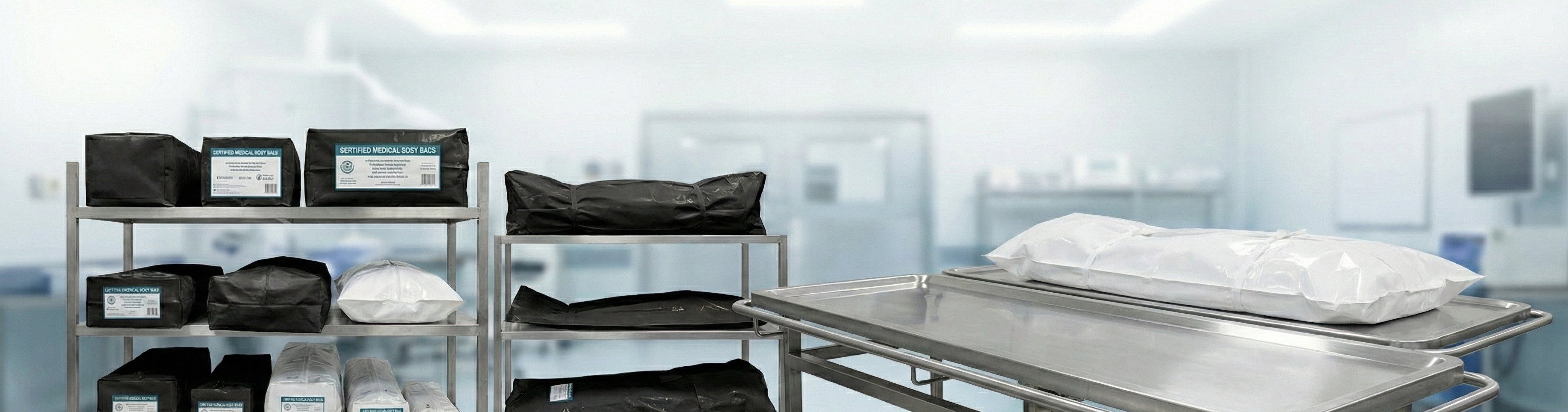
Certified body bags and accessories for healthcare, emergency, and funeral professionals across Europe.
Our Standard Body Bags are the industry benchmark for hospitals, morgues, and funeral homes. Designed for routine transport and storage, they offer a reliable balance of strength and ease of use.
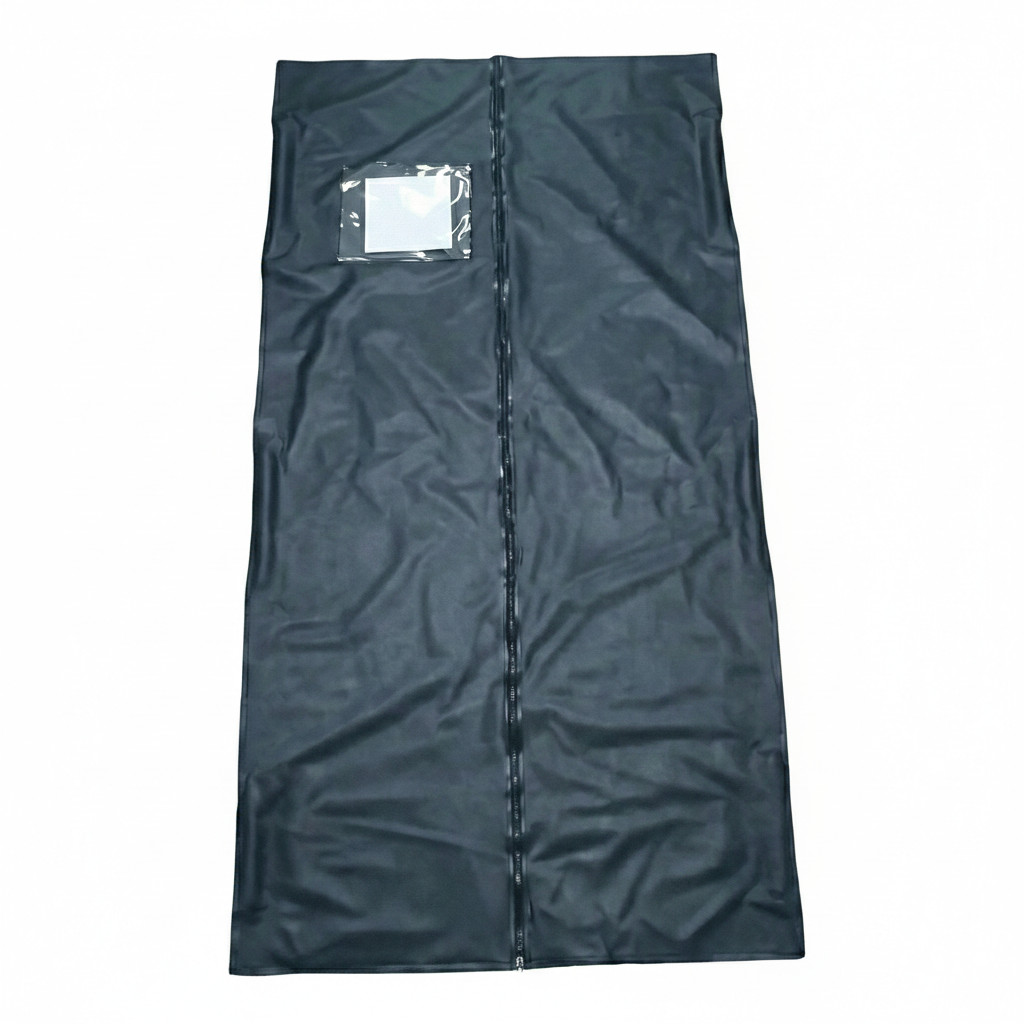
Our Heavy Duty Body Bags are engineered for demanding environments, including forensic investigations and disaster response. Constructed from high-grade and tear-resistant material.
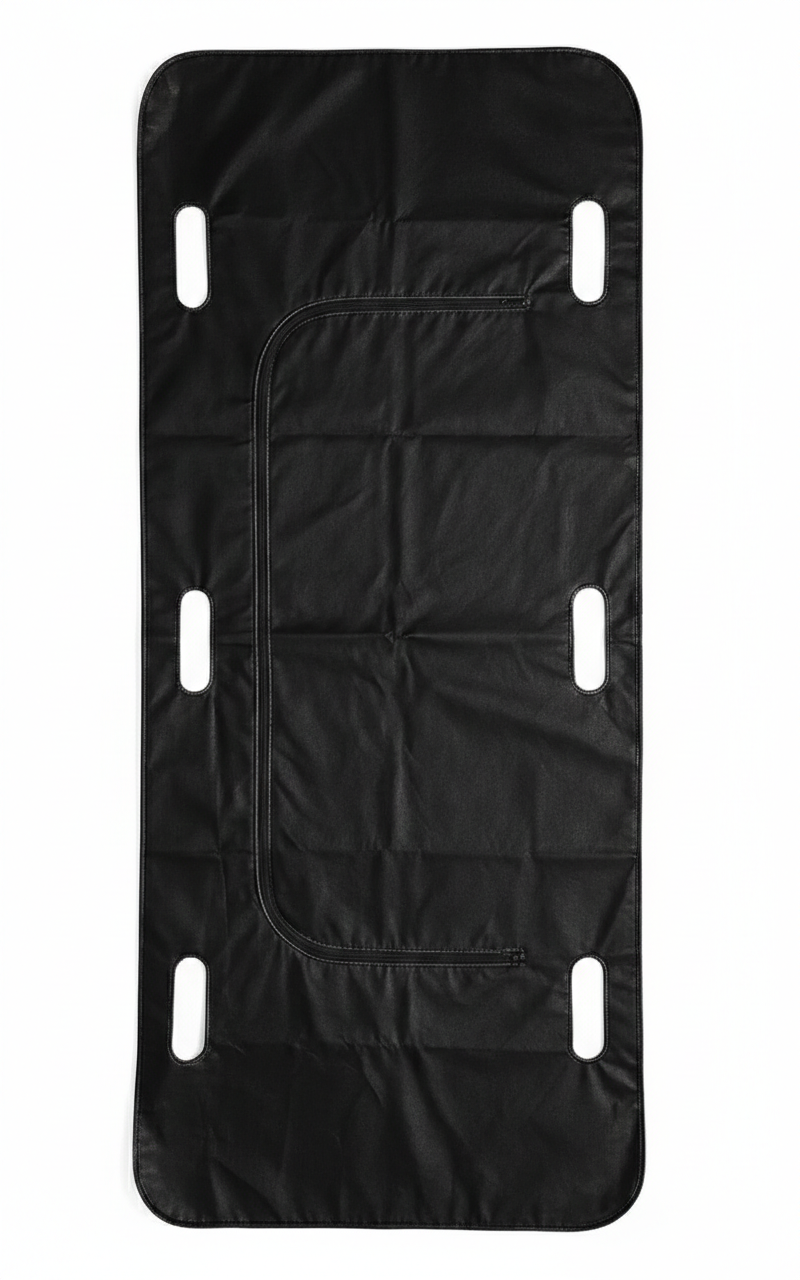
Specifically designed for the dignified transport of larger individuals, our Bariatric Body Bags offer increased dimensions and superior weight capacity. These bags are reinforced with extra-strong webbing.
Designed with the utmost care and sensitivity, our Child Body Bags provide a secure and respectful solution for pediatric care and transport. These bags are specifically sized to ensure a proper fit, preventing unnecessary shifting.
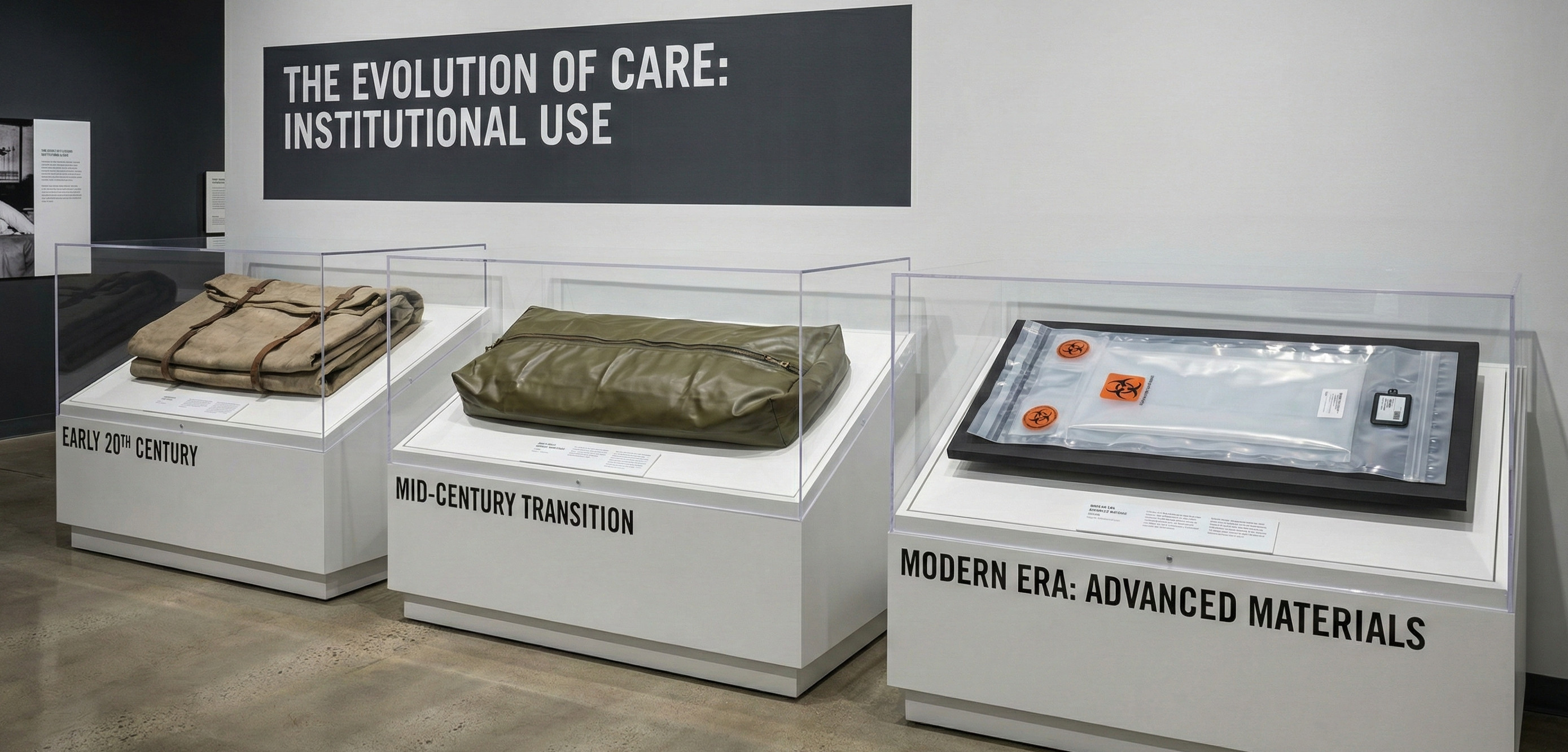
The Evolution of Care:
A Brief History of the Human Remains PouchThe body bag—technically known as a Human Remains Pouch (HRP)—is more than just a logistical tool; it is a critical component of forensic science, public health, and funeral honors. While the concept of wrapping the deceased dates back to ancient shrouds, the modern body bag evolved out of a need for durability, hygiene, and dignity in challenging environments.
From Shrouds to Specialized
ContainmentHistorically, the deceased were transported in simple cloth shrouds or heavy wooden crates. However, the mid-20th century, particularly during World War II and the Vietnam War, necessitated a shift. The military required a lightweight, leak-proof solution for returning fallen soldiers. This led to the transition from rubberized canvas to modern plastics like PVC and PEVA, which offer better fluid retention and environmental protection.
The Diversification of Design
As forensic needs and global demographics changed, the "one size fits all" approach became obsolete. This led to the development of the four primary categories used today:
Standard Bags: Designed for everyday use in hospitals and morgues. These are typically made of lightweight vinyl or plastic and are intended for general transport.
Heavy Duty Bags: Developed for disaster response and recovery (SAR). These feature reinforced seams and puncture-resistant materials to withstand rugged terrain or long-term storage in demanding conditions.
Bariatric Bags: A more recent development in response to global health trends. These bags are oversized and engineered with extra-strong webbing and reinforced handles to safely and respectfully transport individuals weighing up to 800–1,000 lbs.
Child & Infant Bags: Recognizing the sensitive nature of pediatric loss, these bags are scaled down to ensure remains are held securely and with the utmost care, preventing the indignity of using an oversized adult pouch.
Material Innovation
Today’s pouches focus on environmental responsibility and safety. Many modern bags are:
Chlorine-free (PEVA): Safe for cremation without releasing toxic fumes.
Heat-Sealed: To ensure zero leakage and prevent the spread of infectious diseases.
Static-Free: Essential for use in high-oxygen environments or specialized labs.
"The history of the body bag is a history of balance: maintaining the highest standards of public health while honoring the dignity of the individual."

We are an ISO 9001:2015 registered company
